Neurocirurgias
+ 20.000 realizadas


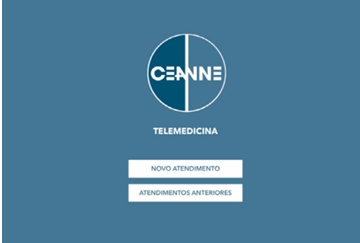
O artigo “Impacto da utilização da teleneurologia na redução de encaminhamentos no Sistema Único de Saúde”, publicado na BioSCIENCE em 2025, analisa como a teleneurologia pode contribuir para reduzir encaminhamentos desnecessários no SUS e tornar o atendimento neurológico mais eficiente.
A pesquisa avaliou 2.165 prontuários de pacientes atendidos por teleneurologia entre abril de 2019 e outubro de 2022, em uma plataforma que prestou serviços a 21 unidades de atendimento no Brasil. O estudo analisou variáveis como idade, sexo, unidade de tratamento, história clínica e resultado de tomografia, buscando identificar fatores associados ao encaminhamento emergencial.
Os resultados mostraram que a teleneurologia permitiu melhor orientação diagnóstica e terapêutica, contribuindo para a redução de encaminhamentos desnecessários e para maior racionalidade no uso dos recursos do sistema público de saúde. Entre as variáveis avaliadas, unidade de atendimento, história clínica e resultado da tomografia apresentaram relação estatisticamente significativa com a probabilidade de encaminhamento emergencial.
De forma geral, o trabalho reforça a importância da teleneurologia como ferramenta estratégica para ampliar o acesso ao especialista, qualificar a tomada de decisão médica e otimizar fluxos de atendimento em neurologia, especialmente em locais com menor disponibilidade de especialistas.
O Dr. Gustavo Rassier Isolan integra o grupo de autores do artigo, com vinculação ao CEANNE — Centro Avançado de Neurologia e Neurocirurgia, à Faculdade Evangélica Mackenzie do Paraná, ao Hospital São Vicente de Paulo e ao Cilla Tech Park. No estudo, sua contribuição está relacionada à administração do projeto e à redação do esboço original, reforçando sua atuação acadêmica e institucional em teleneurologia, inovação em saúde, gestão de fluxos assistenciais e desenvolvimento de soluções voltadas à qualificação do atendimento neurológico.
English version
The article “Impact of Using Teleneurology on Reducing Referrals in the Single Health System”, published in BioSCIENCE in 2025, analyzes how teleneurology can help reduce unnecessary referrals within Brazil’s Unified Health System — SUS — and improve the efficiency of neurological care.
The study evaluated 2,165 medical records of patients who received neurological care through telemedicine between April 2019 and October 2022, using a platform that provided teleneurology services to 21 healthcare units in Brazil. The analysis considered variables such as age, sex, treatment unit, clinical history, and tomography findings, seeking to identify factors associated with emergency referral.
The results showed that teleneurology enabled better diagnostic guidance and therapeutic decision-making, contributing to fewer unnecessary referrals and more rational use of public healthcare resources. Among the variables analyzed, treatment unit, clinical history, and tomography findings showed a statistically significant relationship with the probability of emergency referral.
Overall, the study reinforces the role of teleneurology as a strategic tool to expand access to specialists, improve medical decision-making, and optimize neurological care workflows, especially in regions with limited availability of specialists.
Dr. Gustavo Rassier Isolan is among the authors of the article, affiliated with the Center for Advanced Neurology and Neurosurgery — CEANNE, the Faculdade Evangélica Mackenzie do Paraná, Hospital São Vicente de Paulo, and Cilla Tech Park. In the study, his contribution is related to project administration and writing of the original draft, reinforcing his academic and institutional work in teleneurology, healthcare innovation, care pathway management, and the development of solutions aimed at improving neurological care.